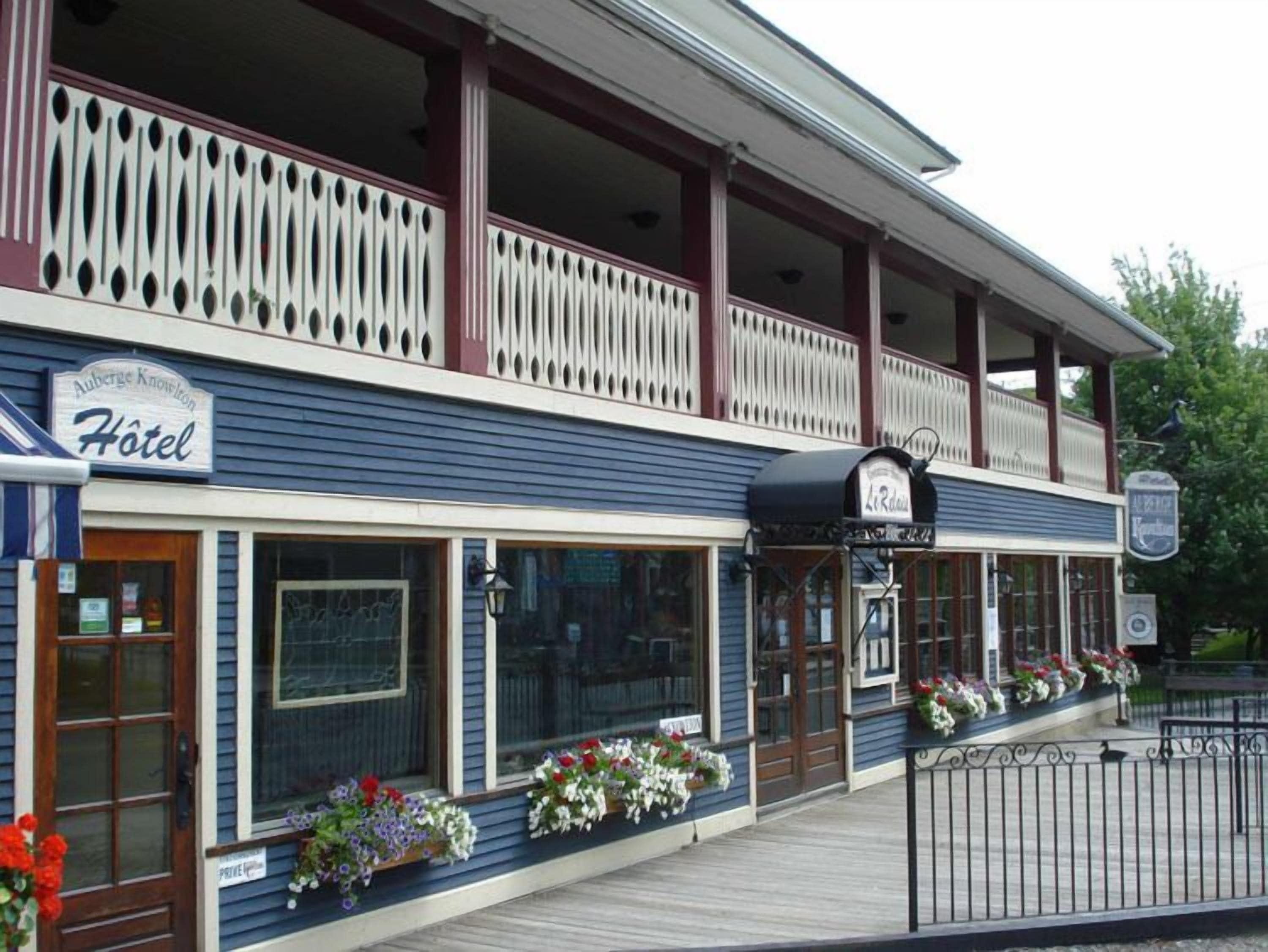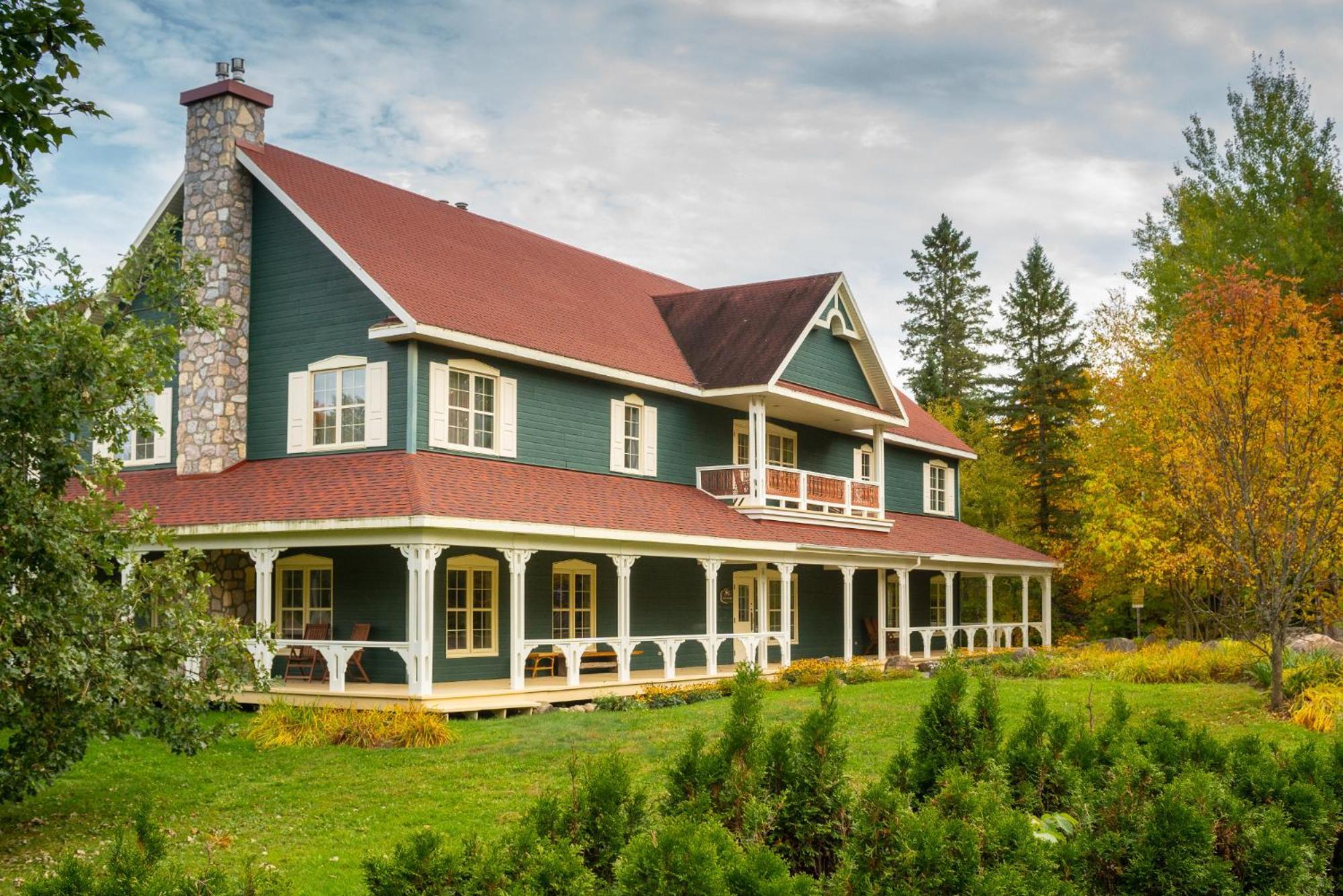
Canada spans over 9.9 million square kilometres, and where you stay shapes the entire trip - from the cobblestone streets of Old Quebec City to the rugged Atlantic coastline of Nova Scotia. This guide focuses on hotels with strong overall guest ratings, meaning real travellers consistently rated their stay above average across comfort, service, and value. Whether you're crossing the country or targeting one province, these picks reflect what actually delivers.
What It's Like Staying in Canada
Canada's hotel landscape is extraordinarily varied - staying in a boutique property in Vieux-Québec feels nothing like a lakeside inn in Ontario or a coastal suite in Newfoundland. Crowd patterns shift dramatically by season, with peak summer (July-August) driving up occupancy across most provinces, especially in cities like Quebec City and tourist corridors in the Rockies. Urban hotels in Montreal and Toronto fill fast during festival weekends, while rural and coastal properties in Atlantic Canada can still offer availability even in high season, though prices do rise.
Canada rewards travellers who do some regional homework - staying in the wrong city base can easily add hours of driving to reach key attractions. French-English bilingualism matters practically in Quebec, where checking in at a property with English-speaking staff genuinely improves the stay for international visitors.
Pros:
- Exceptional natural diversity - from the St. Lawrence Valley to Cape Breton Highlands - all accessible by road within single provinces
- Canadian hotels typically maintain high safety standards and consistent cleanliness compared to many global competitors
- Strong transport infrastructure in Eastern Canada makes multi-city trips combining Quebec City, Halifax, and Toronto genuinely feasible
Cons:
- Distances between key attractions can be punishing - around 800 km separates Quebec City from Halifax without a direct flight option being cheap
- Off-season closures affect many boutique and rural properties from November through April
- Canadian hotel prices in summer rival Western European capital cities, especially in heritage districts
Why Choose Highly-Rated Hotels in Canada
Hotels with strong overall guest ratings in Canada consistently outperform on three measurable fronts: staff responsiveness, room cleanliness, and proximity to transport or key landmarks. Unlike chasing star classifications - which can be inconsistently applied across provinces - guest-rated hotels reflect actual traveller experience, which matters more in a country where a 4-star in Quebec City and a 4-star in suburban Ontario can feel entirely different. Properties earning high overall scores in Canada typically invest in local character, whether through regional food offerings at breakfast or architectural preservation in heritage buildings.
Price-wise, highly-rated hotels in Canada don't always mean expensive - some of the best-reviewed properties are small inns or bed-and-breakfasts charging under CAD 200 per night. Room sizes vary significantly - urban heritage hotels in Old Quebec may offer compact rooms under 25 m2, while rural properties often provide much more space at comparable or lower rates.
Pros:
- Guest-verified quality removes the guesswork - a high overall score across hundreds of reviews is a reliable signal in Canada's diverse market
- Many top-rated Canadian hotels are owner-operated, meaning direct communication is easier and personalised service more common
- Strong breakfast offerings are a recurring feature of top-rated Canadian properties, particularly in Quebec and Atlantic provinces
Cons:
- High-rated boutique properties in heritage zones book out weeks in advance during summer, limiting last-minute flexibility
- Some top-rated smaller hotels lack amenities like on-site parking or a fitness centre, which matters depending on trip type
- Rating scores can reflect seasonal bias - a summer review pool may not capture the winter heating or January service quality
Practical Booking & Area Strategy Across Canada
Quebec City's Vieux-Québec district is one of the most strategically concentrated areas to base yourself in Eastern Canada - within walking distance of Château Frontenac, Terrasse Dufferin, the Latin Quarter, and the Petit-Champlain neighbourhood. Nova Scotia's Tatamagouche is a lesser-known base that offers genuine rural character without the tourist pricing of Halifax, making it a strong choice for travellers who want the Cabot Trail and the Northumberland Shore without fighting for accommodation. Ontario's Blue Mountains region, just under 2 hours from Toronto by car, offers a compelling alternative to staying in the city itself - access to Georgian Bay, ski slopes in winter, and trails in summer, with significantly more space per dollar than downtown Toronto hotels.
For Newfoundland, Corner Brook functions as the western gateway to Gros Morne National Park, a UNESCO World Heritage site - staying here positions you for fjord hikes and coastal drives without the longer road haul from St. John's. Booking at least 6 weeks ahead is strongly advised for summer stays in Quebec City and Blue Mountains, where demand from domestic Canadian travellers competes directly with international visitors. Transport within Atlantic Canada is largely car-dependent - factor in rental costs when comparing hotel locations, as being 30 km from a trailhead adds up over a week-long trip.
Hotels in Quebec City - Heritage District Stays
Quebec City's Vieux-Québec is one of North America's most historically intact neighbourhoods, and staying inside or within metres of the fortified district eliminates the need for transport to reach the city's main draw points.
-
1. Monsieur Jean - Hotel Particulier
Show on map


 Check-infrom 16:00 until 23:30Check-outfrom 01:00 until 11:00
Just a few rooms left at the best rate!
fromC$ 266
Hotels in Nova Scotia, Ontario & Newfoundland - Regional Picks
Outside Quebec, three properties stand out for travellers targeting Atlantic Canada, Ontario's Blue Mountains, and Newfoundland's west coast - each offering strong guest ratings rooted in location specificity rather than generic amenities.
- Show on map
Best price guarantee
- Show on map
Best price guarantee
- Show on map
Best price guarantee
Smart Travel & Timing Advice for Canada
Canada's travel calendar splits sharply by region - Quebec City's peak runs from late June through August, with the Festival d'été de Québec in July pushing hotel prices to their annual high and occupancy in Vieux-Québec reaching near-capacity. Nova Scotia and Newfoundland peak slightly later, with August and early September offering the warmest sea temperatures and most reliable weather for coastal driving. Shoulder season in late September through October is arguably the most underrated window for Eastern Canada - foliage turns across Quebec, New Brunswick, and Cape Breton, prices drop noticeably, and crowds thin significantly after Labour Day. Ontario's Blue Mountains operates year-round but sees two distinct spikes: ski season (January-March) and summer weekends when Toronto residents drive up for Georgian Bay access.
For Newfoundland, most travellers underestimate the trip - a minimum of 5 nights is needed to do Gros Morne justice alongside the drive from Corner Brook. Quebec City rewards stays of at least 3 nights to cover both Upper and Lower Town without feeling rushed. Booking 8 weeks ahead for July stays in Vieux-Québec is now standard practice - properties at this rating level do not hold rooms for last-minute bookers in peak season. For Atlantic Canada in September, 3 to 4 weeks' notice is generally sufficient outside specific festival dates.