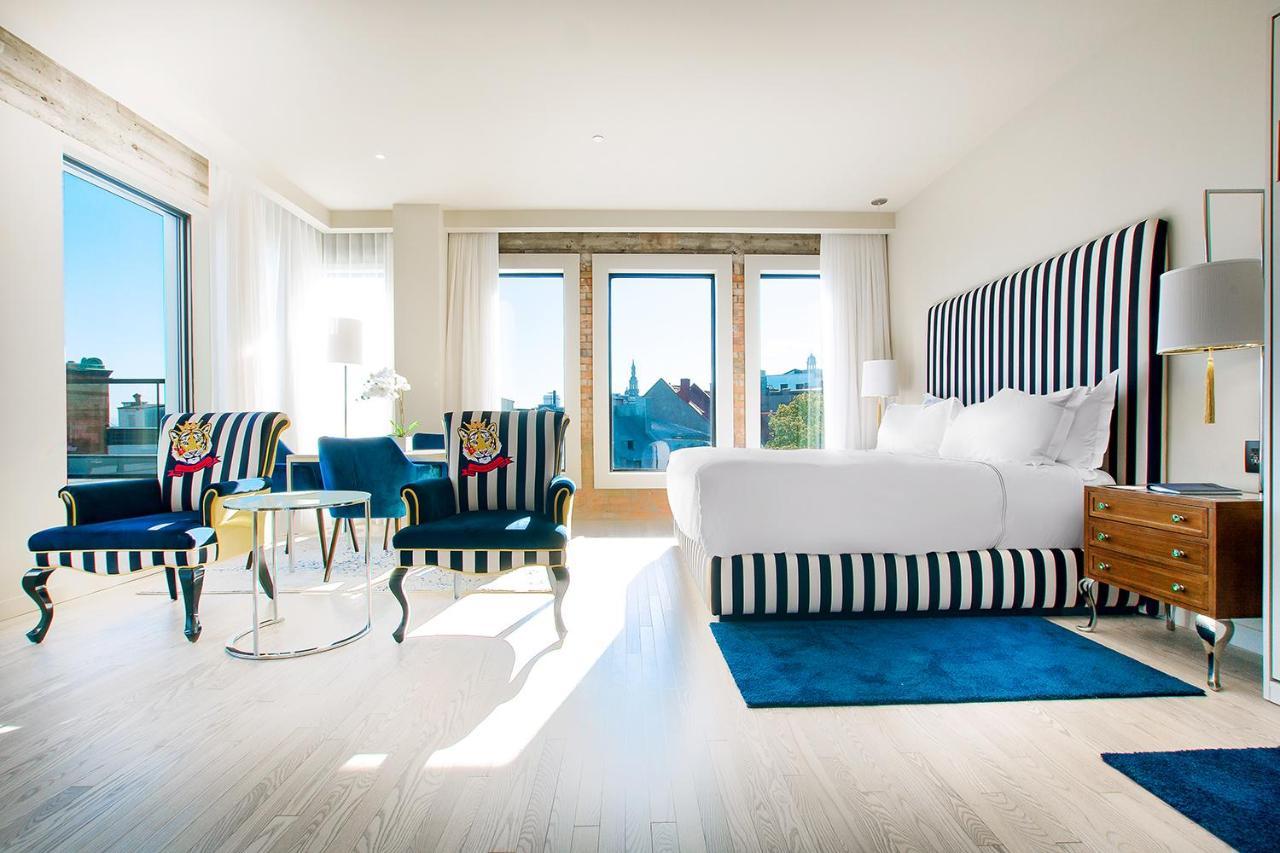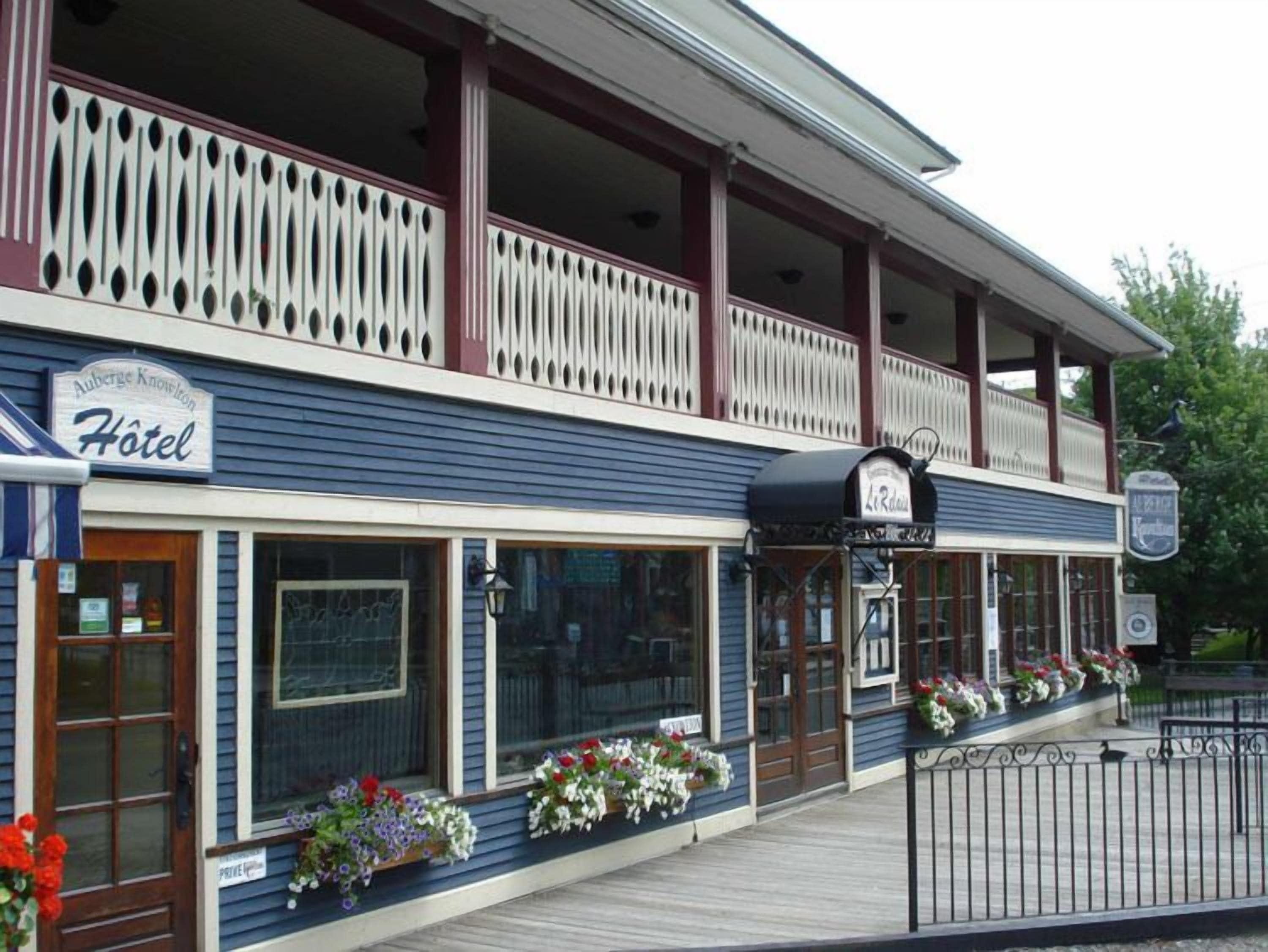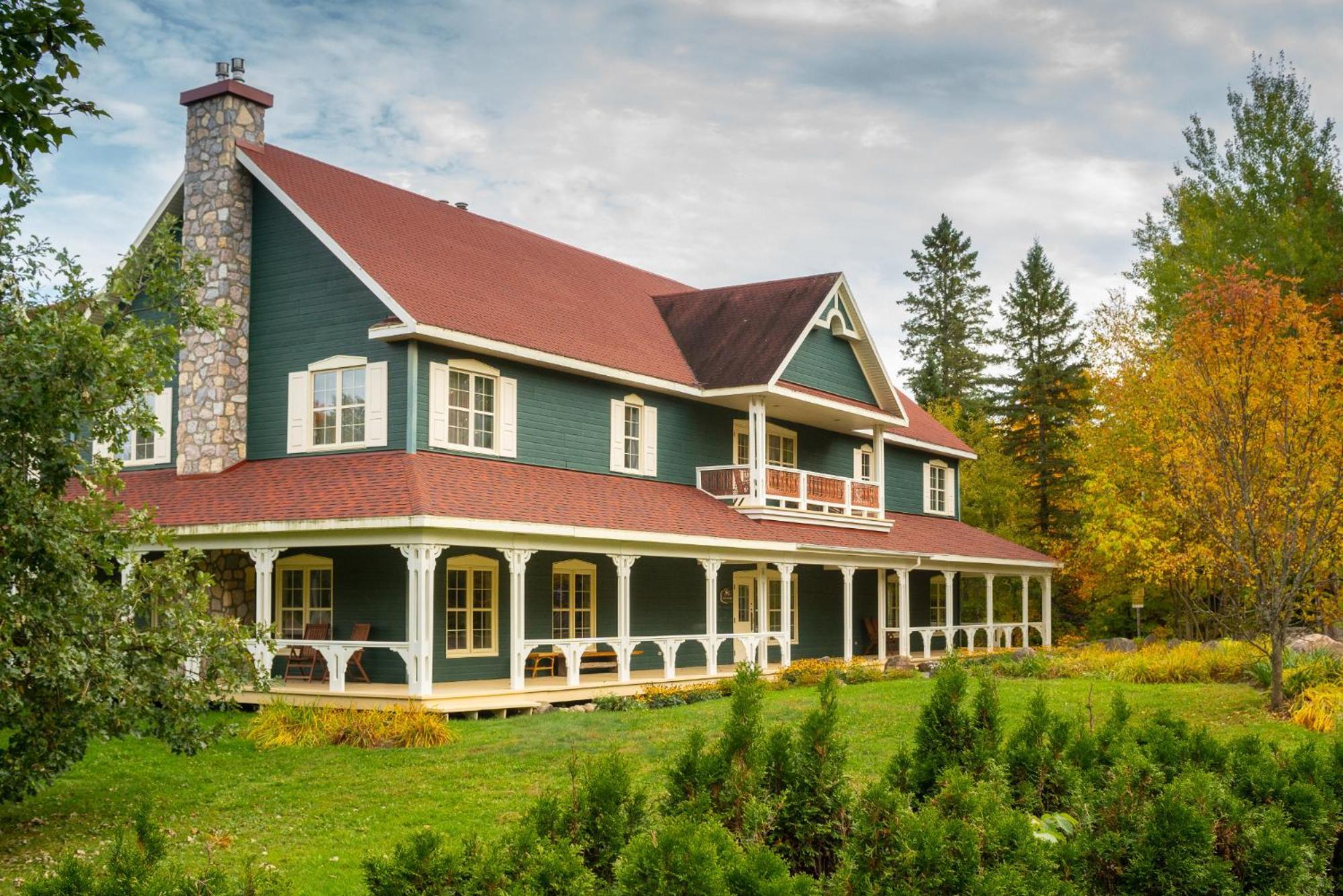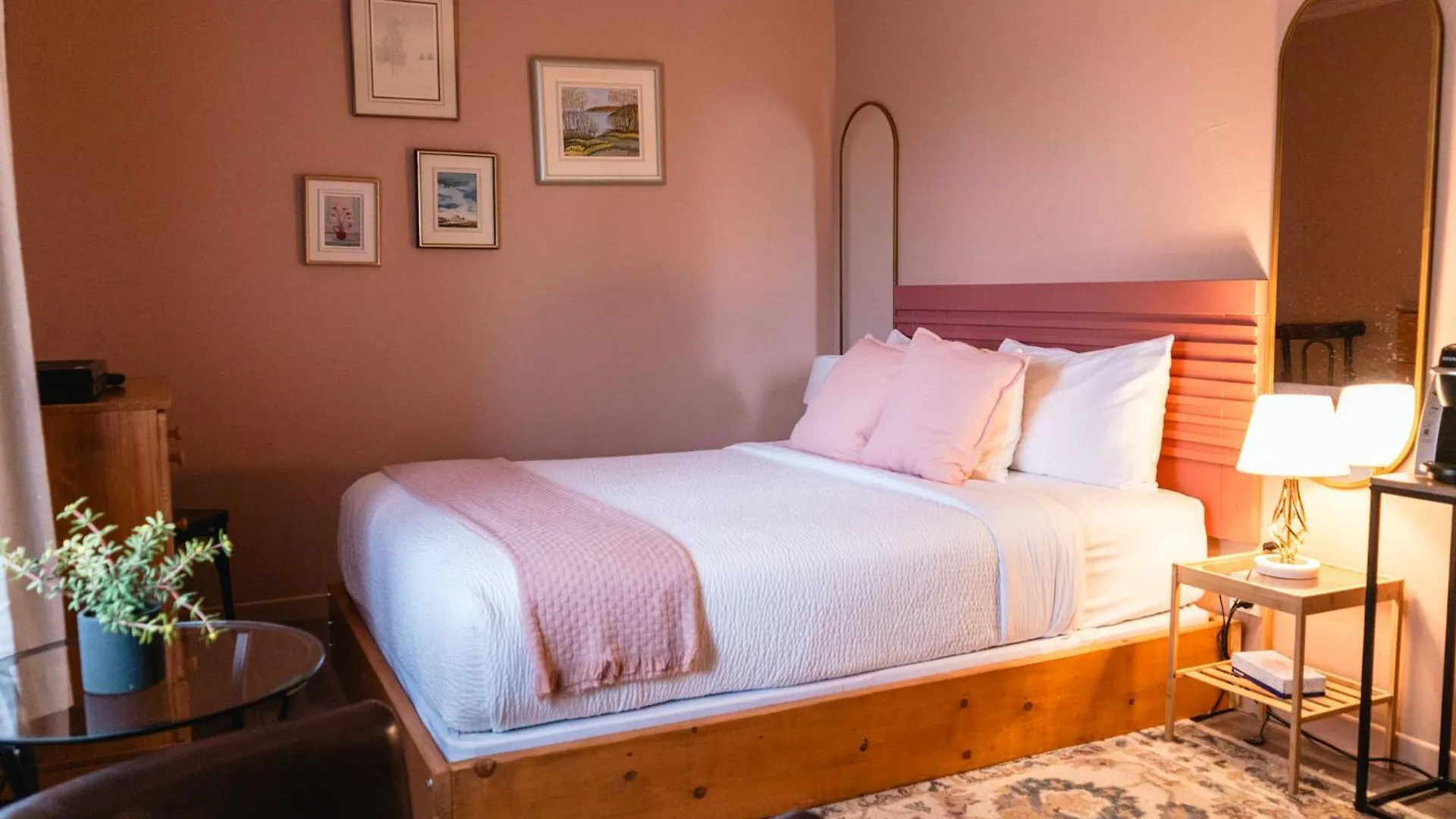
Canada's hotel landscape spans converted 1913 mansions in Charlevoix, lodge-style properties along the Yellowhead Highway in British Columbia, and all-suite canal-side hotels in Ontario - all offering something architecturally or experientially distinct from standard chain stays. This guide cuts through the options to help you find a design-forward property that matches your specific route and travel style across Canada's vast geography.
What It's Like Staying in Canada
Canada is the second-largest country in the world by land area, which means the experience of staying here varies dramatically depending on the province - from the boreal forest towns of the Northwest Territories to the French-speaking auberges of Quebec's St. Lawrence Valley. Distances between attractions can exceed 150 km, so your hotel's micro-location matters more than in compact European destinations. Urban centers like Toronto, Montreal, and Vancouver absorb most visitors, but the most distinctive stays often sit in smaller towns like Baie-Saint-Paul, Sackville, or Smithers, where design-conscious properties stand out sharply against limited local accommodation.
Crowd patterns shift significantly by region: coastal Quebec and the Niagara Peninsula peak in July and August, while Northern Canada draws aurora chasers from November through March. Travelers who want space, dramatic scenery, and architecturally interesting lodging - without fighting for reservations - consistently find Canada delivers, particularly outside the major urban cores.
Pros:
- Exceptional geographic diversity - boreal forests, Atlantic coastline, Rocky Mountain corridors, and St. Lawrence river towns all within one country
- Design-forward boutique properties are often priced significantly below comparable European equivalents
- Bilingual hospitality infrastructure in Quebec means French-speaking travelers get a genuinely immersive cultural stay
Cons:
- Driving distances between regions are substantial - multi-destination itineraries require careful planning
- Shoulder-season closures affect some smaller inns and lodges, limiting availability outside peak months
- Remote design hotels often sit far from airports, with limited or no public transport connections
Why Choose Design Hotels in Canada
Canada's design hotel category punches above its weight in the boutique and heritage-conversion segment. Unlike major European capitals where design hotels cluster in predictable neighborhoods, Canada's standout properties are often scattered across secondary cities and rural routes - a converted 1913 mansion in Baie-Saint-Paul, a lodge built to serve the Yellowhead Highway corridor, a 4-star inn with multilingual staff in a small Atlantic town. Room sizes at Canadian design properties tend to be notably larger than equivalents in Paris or London, with suite formats and full kitchenettes appearing even in 3-star-rated properties. Pricing typically runs around 30% below comparable design stays in major U.S. cities, though remote locations add transport costs that partially offset savings.
The trade-off is consistency: Canada's design hotel scene is geographically uneven. Quebec and Ontario have the densest concentration of architecturally interesting properties, while provinces like British Columbia deliver standout lodge-format stays in smaller towns rather than polished urban boutiques. Noise levels are rarely an issue outside Toronto and Montreal, but amenity depth - particularly dining and spa - varies widely.
Main advantages of design hotels in Canada:
- Heritage buildings with genuine architectural history (Victorian mansions, lodge-style structures) rather than manufactured aesthetics
- Suite and kitchenette formats are common even at mid-tier price points, offering more functional space per dollar
- On-site restaurant quality at boutique Canadian properties frequently reflects strong regional cuisine - particularly in Quebec
Main trade-offs in this specific category:
- Design hotels in rural Canada often lack walkable surroundings - a car is essential for most stays outside urban centers
- Spa and wellness facilities, where present, may be small-scale compared to resort-style properties
- Breakfast quality and availability is inconsistent - some properties offer exceptional spreads, others provide basic continental options
Practical Booking & Area Strategy
Quebec accounts for the highest concentration of design-conscious stays in this selection - Baie-Saint-Paul, Grandes-Bergeronnes, Drummondville, Rimouski, and Bécancour all deliver distinct lodging experiences within a single province, making a St. Lawrence road trip a genuinely efficient way to chain multiple design stays together. Baie-Saint-Paul is the strongest single base for art and architecture travelers in Quebec, sitting within 24 km of Le Massif ski terrain and surrounded by Charlevoix's well-documented gallery and restaurant scene. For British Columbia, Smithers along the Yellowhead Highway is an underrated stop for travelers driving between Prince George and Prince Rupert - Hudson Bay Mountain provides winter ski access, and the Bulkley Valley landscape is architecturally dramatic.
Ontario's Welland, positioned along the Greater Niagara Cycling Trail and within driving distance of Niagara Falls, suits travelers who want a quieter, less tourist-saturated base than Niagara-on-the-Lake. In the Maritimes, Sackville's Marshlands Inn covers Atlantic Canada travelers routing between Halifax and Moncton. Book Quebec properties at least 8 weeks ahead for July and August - smaller inns fill quickly and rarely discount during peak season. For aurora-viewing trips to Yellowknife, November through February is the operational window, and accommodation fills fast for weekends during active aurora forecasts.
Micro-location tip: Properties along the St. Lawrence - Grandes-Bergeronnes, Rimouski, and Baie-Saint-Paul - allow whale-watching season (June-October) to run concurrently with a design hotel itinerary, maximizing both natural and cultural experiences on a single route.
Design Hotels in British Columbia & Northern Canada
These two properties serve travelers on Canada's western and northern routes, where design-forward lodging is rarer and the surrounding landscapes do much of the visual work - making the quality of the hotel itself a more significant factor in the overall experience.
-
1. Prestige Hudson Bay Lodge & Conference Centre, Worldhotels
Show on map


 Check-infrom 16:00 until 23:59Check-outuntil 11:00
Just a few rooms left at the best rate!
fromC$ 137
-
2. Quality Inn & Suites Yellowknife
Show on map


 Check-infrom 15:00 until 23:59Check-outuntil 11:00
Just a few rooms left at the best rate!
fromC$ 195
-
3. Comfort Inn & Suites Merritt
Show on map


 Check-infrom 15:00 until 23:59Check-outuntil 11:00
Just a few rooms left at the best rate!
fromC$ 142
Design Hotels in Ontario & Atlantic Canada
Ontario and the Maritimes offer two contrasting design stay profiles - a contemporary all-suite canal property in Niagara-region Ontario, and a heritage inn in New Brunswick's quietest corner, both worth considering for travelers building east-coast Canada itineraries.
-
4. Best Western Plus Rose City Suites
Show on map


 Check-infrom 15:00 until 23:59Check-outfrom 01:00 until 11:00
Just a few rooms left at the best rate!
fromC$ 145
-
5. Marshlands Inn
Show on map


 Check-infrom 15:00 until 21:00Check-outuntil 11:00
Hurry – almost gone at this price!
fromC$ 98
Design Hotels in Quebec
Quebec delivers the densest cluster of architecturally and experientially distinctive hotels in this selection - spanning the St. Lawrence river corridor from Charlevoix through Rimouski, with additional inland options in Drummondville and Bécancour. These six properties cover a range of formats and price points, united by Quebec's consistently strong food and hospitality culture.
-
6. Hotel-La Grande Maison Et Spa
Show on map


 Check-infrom 15:00 until 23:59Check-outuntil 11:00
Hurry – almost gone at this price!
fromC$ 288
-
7. Auberge La Rosepierre Bistro Henri
Show on map


 Check-infrom 15:00 until 21:00Check-outfrom 06:00 until 11:00
Hurry – almost gone at this price!
fromC$ 116
-
8. Hotel Rimouski
Show on map


 Check-infrom 16:00 until 23:59Check-outuntil 11:00
Rooms filling fast – secure the best rate!
fromC$ 169
-
9. Quality Suites
Show on map


 Check-infrom 16:00 until 23:59Check-outuntil 11:00
Rooms filling fast – secure the best rate!
fromC$ 130
- Show on map
Best price guarantee
-
11. Quality Inn
Show on map


 Check-infrom 16:00 until 23:59Check-outuntil 11:00
Rooms filling fast – secure the best rate!
fromC$ 144
Smart Travel & Timing Advice for Canada
Canada's optimal booking window varies sharply by region and season. Quebec's St. Lawrence corridor - covering Baie-Saint-Paul, Rimouski, and Grandes-Bergeronnes - peaks between late June and early September, driven by whale-watching season and the Charlevoix summer arts calendar. Book Quebec properties at least 8 weeks ahead for any July or August travel; smaller inns with under 20 rooms fill entirely and rarely offer last-minute availability. For Yellowknife, the Northern Lights viewing season runs November through March, with the strongest aurora activity typically in February - weekend stays during active forecast periods sell out within days of posting.
Ontario and British Columbia operate on more predictable patterns: Welland and Niagara-region properties peak in July and August but maintain shoulder-season availability through October. Smithers and the Yellowhead Highway corridor in BC are quietest in April and May, when ski season has ended but summer hiking hasn't begun - this window often yields lower rates with full hotel services still operational. A minimum stay of 2 nights is worth planning at destination-oriented properties like Hotel-La Grande Maison Et Spa in Baie-Saint-Paul or Prestige Hudson Bay Lodge in Smithers, where the surrounding activity infrastructure rewards a slower pace. For road-trip-format itineraries across Quebec or BC, booking 3-4 weeks ahead during shoulder season (May-June or September-October) is typically sufficient and may yield rates around 20% lower than peak summer pricing.