Canada's hotel landscape stretches from waterfront inns along the St. Lawrence to roadside lodges near covered bridges in the Maritimes - each property carrying the weight of regional history. This guide cuts through the noise to help you pick the right historically rooted hotel based on where you're going, what you'll do, and how long you're staying.
What It's Like Staying in Canada
Canada is a country where geography shapes the travel experience as much as culture does - from the dramatic Charlevoix highlands of Québec to the covered bridges of New Brunswick, the Niagara escarpment in Ontario, and the vast prairies of Saskatchewan. Each province feels like a separate country, with distinct architecture, food traditions, and seasonal rhythms. Crowds in urban corridors like Niagara Falls are intense from late June through August, while rural regions like Les Éboulements and Weyburn see far gentler visitor pressure year-round.
Pros:
- Extraordinary regional diversity - one trip can include glacier-carved valleys, coastal fjords, and prairie flatlands within driving distance
- Bilingual travel infrastructure across Québec makes navigating French-speaking regions straightforward for international visitors
- National and provincial parks are genuinely accessible, with well-maintained trail networks even in lesser-known areas like Charlevoix
Cons:
- Distances between destinations are significant - driving between New Brunswick and Ontario takes over 10 hours
- Smaller historic inns in rural Canada rarely have public transit nearby, making a rental car non-negotiable
- Peak summer season in popular corridors like Niagara Falls pushes room rates up by around 40% compared to spring or fall
Why Choose Historic Hotels in Canada
Historic hotels in Canada aren't museum pieces - they're functional properties tied to specific regional identities, often family-run or locally managed, with architecture and settings that chain hotels simply can't replicate. In Québec, heritage inns along the St. Lawrence corridor have operated for generations and sit within walking distance of UNESCO-listed cultural sites. In the Maritimes, motels and inns near covered bridge routes serve as basepoints for driving itineraries that have been popular since around the 1950s.
Pros:
- Properties in rural heritage zones offer mountain or river views without the premium pricing of resort-branded alternatives
- Local restaurants attached to historic inns often serve regional cuisine unavailable at chain properties
- Smaller historic properties typically offer free parking - a concrete advantage in car-dependent Canadian travel circuits
Cons:
- Rooms in heritage buildings can be smaller and less soundproofed than modern builds
- Amenities like pools or fitness centres are rare in smaller historic inns - expect trade-offs on facilities
- Booking windows for popular heritage properties in Charlevoix and Niagara corridors fill fast - last-minute availability is limited in peak season
Practical Booking & Area Strategy
For Québec's Charlevoix region, Les Éboulements sits on the north shore of the St. Lawrence and is best paired with a multi-day circuit that includes Baie-Saint-Paul's art scene and the Charlevoix Maritime Museum - both within 15 km. New Brunswick's Woodstock is a practical overnight stop on the Trans-Canada corridor, positioned 24 km from Hartland Covered Bridge, the world's longest covered bridge. Niagara Falls requires booking at least 6 weeks ahead for summer stays near the gorge, as occupancy near the falls routinely hits capacity by mid-July. For Saskatchewan's Weyburn, the town sits 116 km southeast of Regina on the Yellowhead Highway - a logical stop for travellers crossing the prairies who want a break from highway monotony.
In terms of value positioning, rural properties in New Brunswick and Saskatchewan consistently offer lower nightly rates than comparable rooms in Niagara Falls or Québec's heritage corridor. If your primary goal is regional exploration rather than a single landmark, anchoring in a quieter hub like Weyburn or Les Éboulements gives better access-to-price ratios than staying in Niagara itself.
Historic Hotels in Québec & the Maritimes
These two properties anchor distinct heritage travel routes - one along the Charlevoix highlands of Québec, the other along New Brunswick's covered bridge circuit.
-
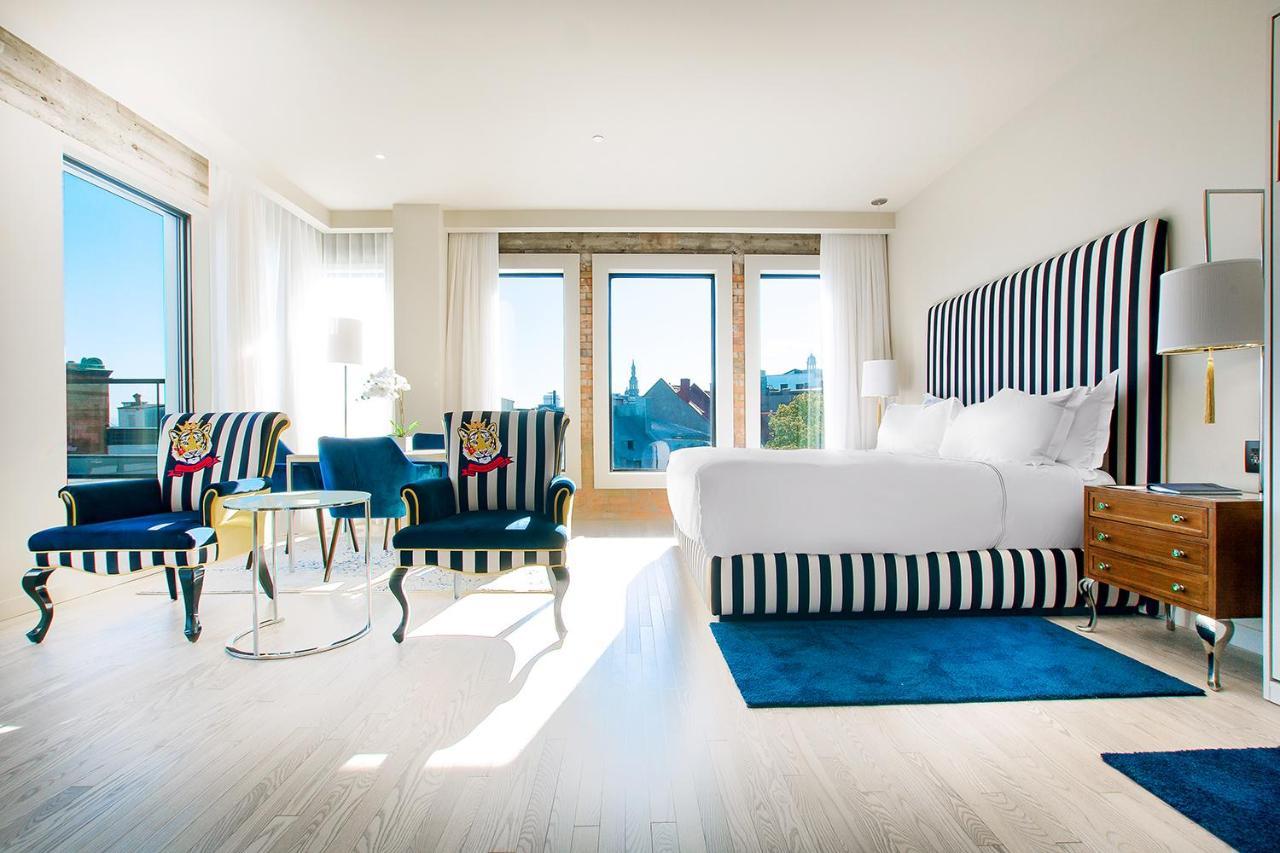
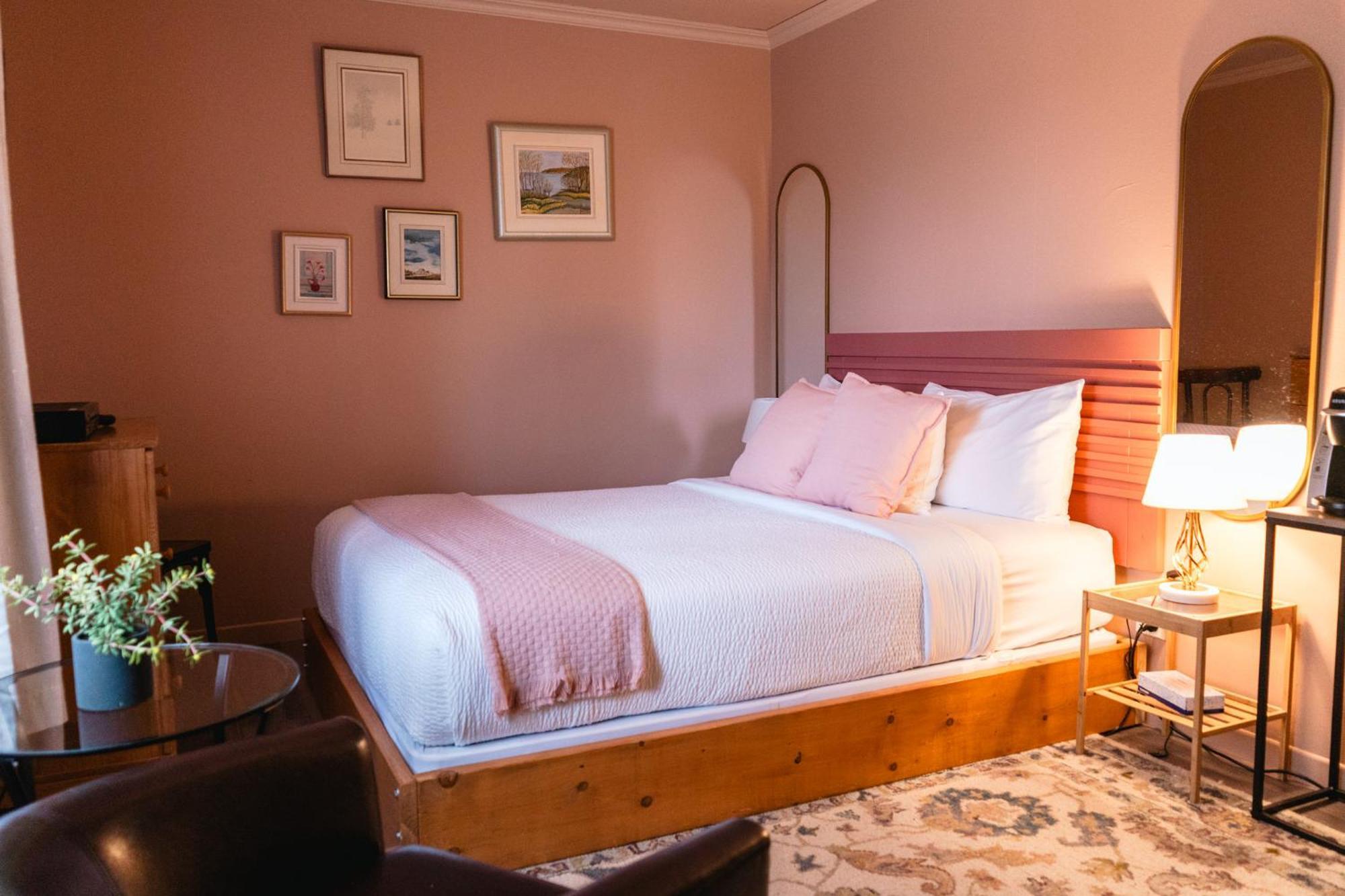
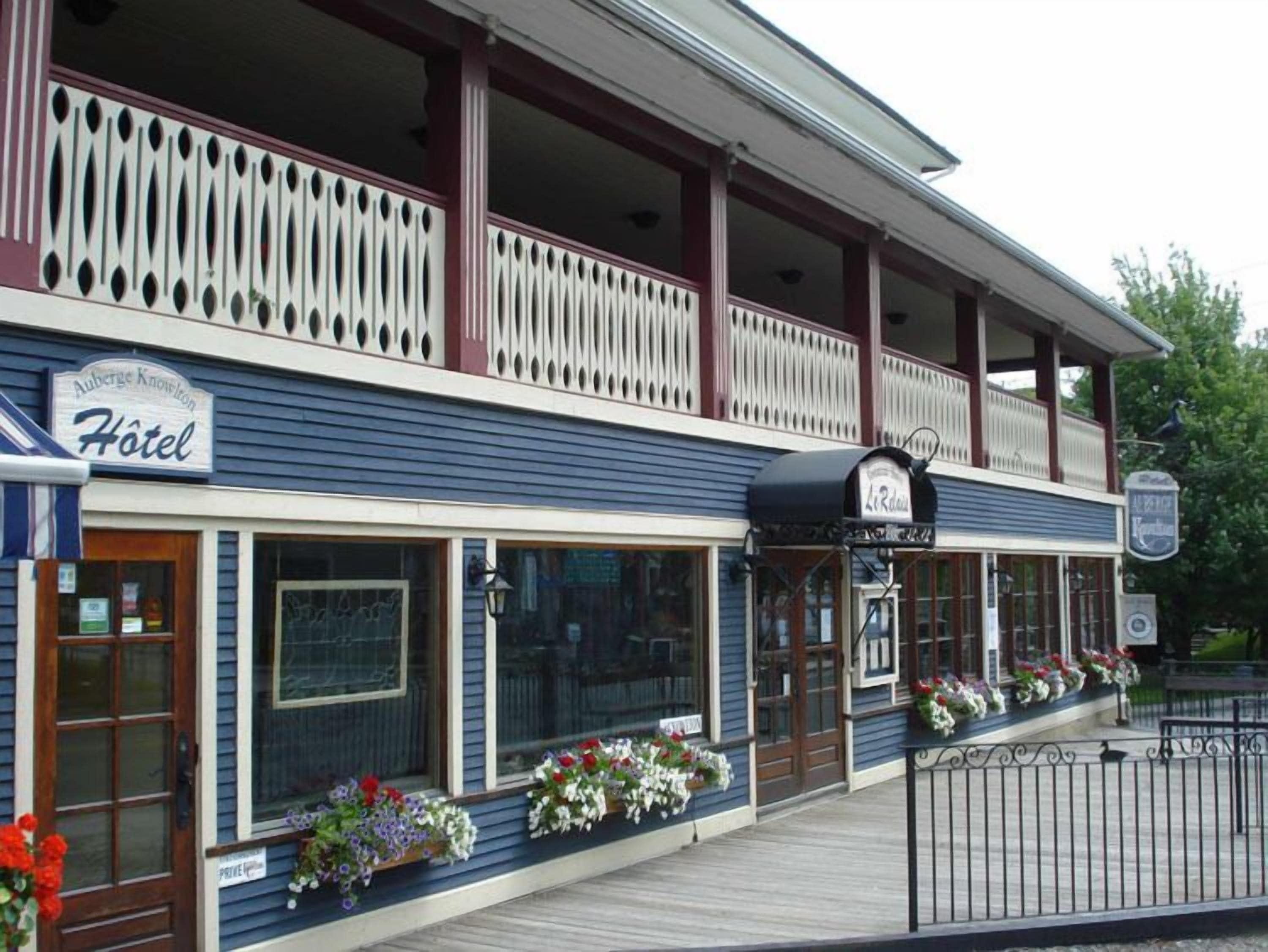
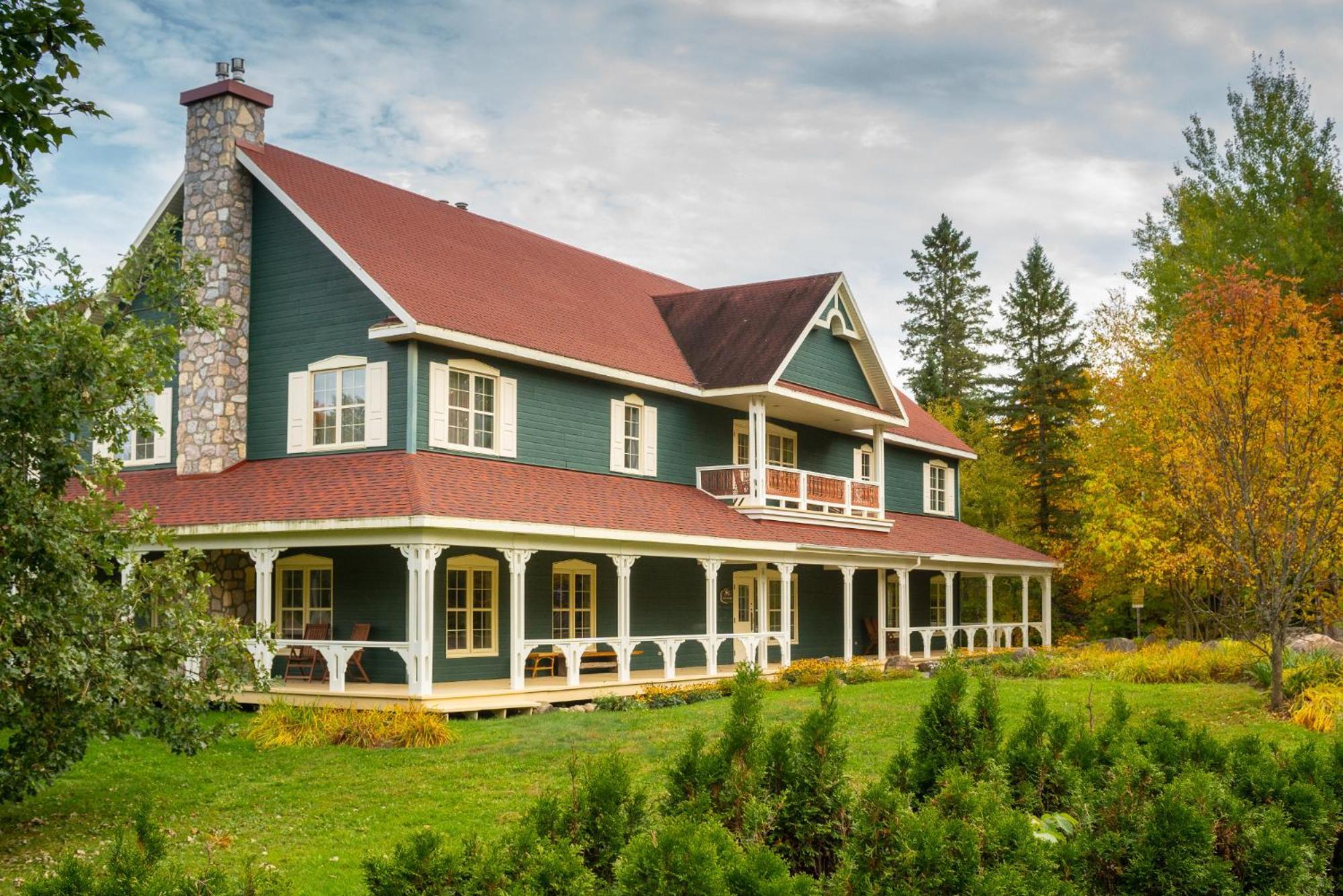
1. Auberge Beausejour
Show on map


 Check-infrom 15:00 until 21:00Check-outfrom 07:00 until 11:00
Just a few rooms left at the best rate!
fromC$ 112
-
2. Howard Johnson By Wyndham Woodstock Nb
Show on map


 Check-infrom 15:00 until 23:59Check-outuntil 11:00
Just a few rooms left at the best rate!
fromC$ 87
Historic Hotels in Ontario & Saskatchewan
These properties serve two of Canada's most distinct travel corridors - the Niagara escarpment in Ontario and the open prairie route through southern Saskatchewan.
-
3. Super 8 By Wyndham Niagara Falls North
Show on map


 Check-infrom 15:00 until 23:59Check-outuntil 11:00
Hurry – almost gone at this price!
fromC$ 113
-
4. Perfect Inns & Suites
Show on map


 Check-infrom 15:00 until 23:59Check-outfrom 01:00 until 11:00
Rooms filling fast – secure the best rate!
fromC$ 84
Smart Travel & Timing Advice
The Canadian travel calendar splits sharply: summer (late June to August) dominates for Niagara Falls and Québec's Charlevoix region, with occupancy near capacity and rates at their seasonal peak. Booking Niagara Falls accommodations at least 6 weeks out is non-negotiable for July stays. By contrast, properties in New Brunswick and Saskatchewan see softer summer demand, making last-minute availability more realistic even in July. For Charlevoix, September is strategically strong - fall foliage along the St. Lawrence draws visitors but pressure is lower than peak summer, and rates at heritage inns like Auberge Beausejour typically ease by around 20%.
In terms of stay duration, the Charlevoix and Niagara corridors reward at least 3 nights to justify travel time and cover the main attractions without rushing. Woodstock and Weyburn function best as 1-night stops within larger provincial road-trip loops. Winter travel in Canada requires firm planning - many rural heritage inns in Québec operate seasonally and close between November and April, so confirming availability before finalising an itinerary is essential.