Alberta stretches from the oil sands of Fort McMurray in the north to the Rocky Mountain parks in the south - a province where the right hotel base can make or break your trip. Whether you're traveling for work in Fort McMurray, hiking in Waterton Lakes National Park, or road-tripping along Highway 11 through Cline River, this guide covers six hotels across Alberta's most distinct regions, helping you choose the right property for your actual itinerary.
What It's Like Staying in Alberta
Alberta is Canada's most geographically varied province - within a single trip, you can move from boreal forest to alpine terrain, from industrial cities to remote wilderness lodges. Distances between destinations are significant, often exceeding 300 km, so choosing a hotel that aligns with your route matters more here than in compact European destinations. The province draws a mix of oil industry workers, national park visitors, and outdoor adventure travelers, which means accommodation quality varies sharply by location rather than by city prestige.
Transport in Alberta is almost entirely car-dependent outside Edmonton and Calgary. Public transit does not connect rural regions like Rocky Mountain House or Waterton Lakes, so renting a vehicle is essential for most itineraries. Crowds peak sharply in Jasper and Banff corridors during July and August, but properties in Fort McMurray and Peace River see steady business travel year-round.
Pros:
- Enormous geographic diversity - mountains, badlands, boreal forest - all within one province
- Hotels in smaller Alberta cities offer competitive pricing compared to Banff or Jasper resort towns
- Free parking is standard at most Alberta hotels outside Calgary and Edmonton downtown cores
Cons:
- Car rental is non-negotiable for most Alberta itineraries - public transit is minimal outside major cities
- Shoulder season closures affect some smaller properties, especially near national parks
- Weather can shift rapidly in mountain regions, affecting last-minute travel plans significantly
Why Choose a Hotel in Alberta
Hotels in Alberta offer a practical middle ground between the rustic lodges of the national parks and the full-service resorts concentrated around Banff. Mid-range hotels here often include free parking and breakfast, amenities that add real value when you're covering long distances by car each day. In cities like Fort McMurray and Peace River, business-oriented hotels dominate the supply, meaning rooms tend to be functional and well-maintained rather than design-forward.
Compared to resort accommodation in Banff, hotels in Alberta's secondary cities cost around 50% less per night and almost always include free private parking - a meaningful difference on a multi-night road trip. Room sizes are generally larger than urban hotel averages, with many properties offering balconies, fridges, and seating areas as standard. The trade-off is limited walkability - most Alberta hotels outside of resort towns require a car for every activity or meal.
Pros:
- Free private parking is nearly universal, eliminating a major daily cost for road trippers
- Rooms are consistently larger and better equipped than comparably priced urban hotels in Canada
- Hotels near national park boundaries offer mountain access without resort-level pricing
Cons:
- Walkability is low - most properties require a vehicle to reach restaurants or attractions
- Dining options on-site or nearby are limited outside Fort McMurray and Peace River
- Booking windows must be extended during summer - peak season fills properties weeks in advance
Practical Booking & Area Strategy
Alberta's hotel geography splits into three practical zones: the northern industrial corridor anchored by Fort McMurray, the central highway belt through Rocky Mountain House and Cline River, and the southern mountain zone around Waterton Lakes. Fort McMurray suits business travelers and those transiting toward Wood Buffalo National Park, while Waterton Lakes is the logical base for hiking the southern Rockies and accessing Glacier National Park across the US border. Peace River, positioned in the northwest, serves travelers heading into the Peace Country or northern Alberta's agricultural region.
For road trippers following Highway 11 - the David Thompson Highway - Rocky Mountain House and Cline River are the key overnight stops before reaching the Columbia Icefield. Book at least 6 weeks ahead for July and August stays near Waterton, as the national park town has very limited accommodation supply. Properties in Fort McMurray and Peace River typically have more availability but surge in price during major oilsands industry events. Cameron Falls, the Prince of Wales Hotel viewpoint, hiking trails in Waterton Lakes National Park, and the Oil Sands Discovery Centre in Fort McMurray are among the most visited attractions worth planning your base around.
Best Value Stays
These hotels offer solid facilities at accessible price points, with practical amenities tailored for road trippers, families, and business travelers moving through Alberta's central and northern regions.
-
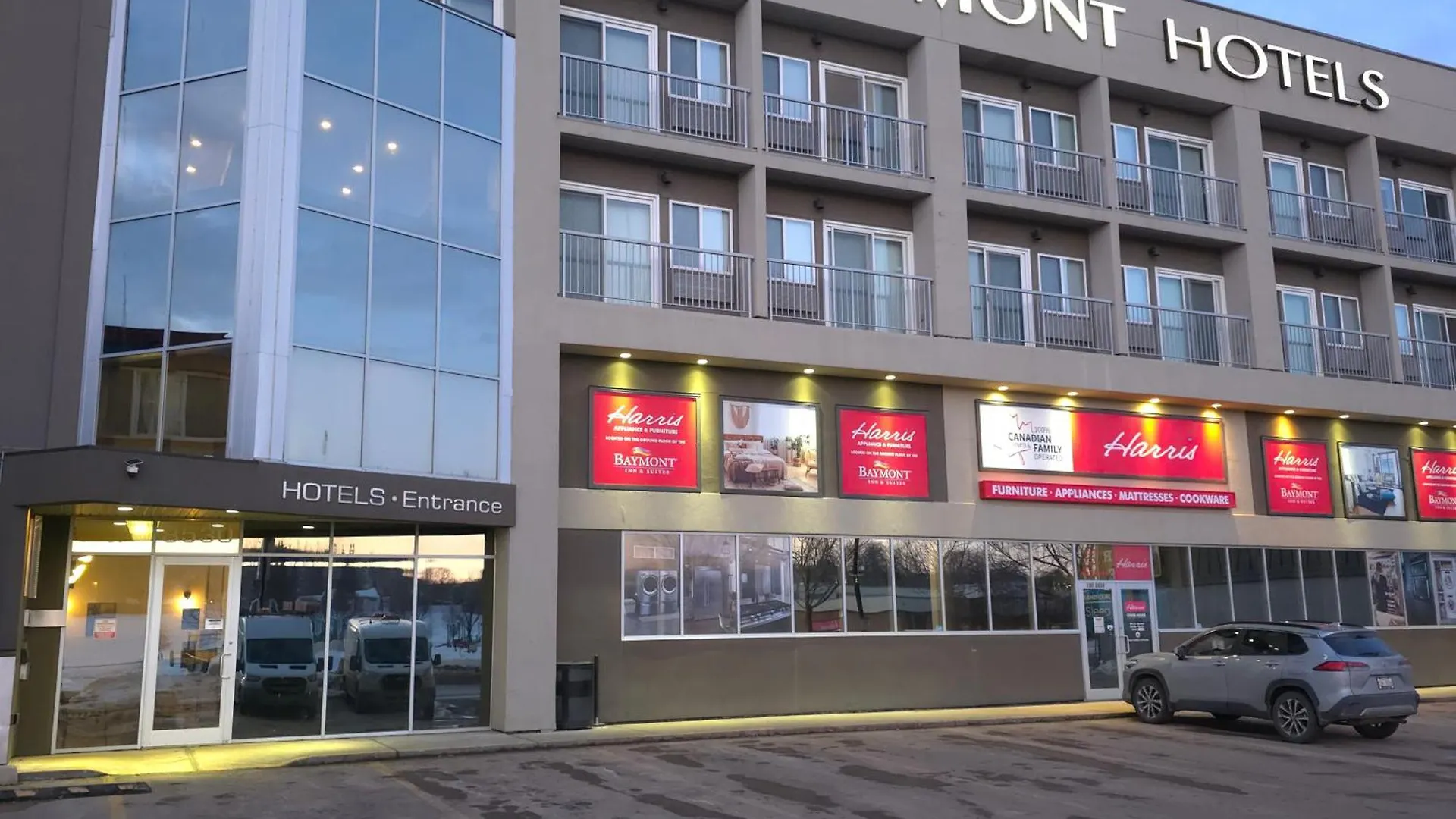
1. Baymont By Wyndham Fort Mcmurray
Show on map


 Check-infrom 15:00 until 23:59Check-outuntil 11:00
Just a few rooms left at the best rate!
fromC$ 106
-
2. Rocky Inn Express
Show on map


 Check-infrom 15:00 until 23:59Check-outuntil 11:00
Just a few rooms left at the best rate!
fromC$ 109
-
3. Best Western Diamond Inn
Show on map


 Check-infrom 15:00 until 23:59Check-outuntil 11:00
Hurry – almost gone at this price!
fromC$ 162
-
4. David Thompson Resort
Show on map


 Check-infrom 15:00 until 18:30Check-outuntil 11:00
Hurry – almost gone at this price!
fromC$ 434
Best Premium Stays
These two properties stand out for their setting quality, suite-level accommodation, or full-service amenities - suited for travelers who want more than a functional overnight stop.
-
5. Waterton Glacier Suites
Show on map


 Check-infrom 16:00 until 23:59Check-outuntil 11:00
Rooms filling fast – secure the best rate!
fromC$ 173
-
6. Chateau Nova Peace River
Show on map


 Check-infrom 15:00 until 23:59Check-outuntil 11:00
Rooms filling fast – secure the best rate!
fromC$ 141
Smart Travel & Timing Advice for Alberta Hotels
July and August are Alberta's busiest travel months, when national park visitor numbers peak and hotels near Waterton Lakes and the David Thompson Highway fill weeks in advance. Prices in these zones can rise sharply - booking at least 6 weeks ahead is the minimum safe window for summer stays. September offers a strong alternative: crowds thin noticeably after Labour Day, mountain colours shift to autumn tones, and hotel rates in Waterton and Rocky Mountain House drop while weather remains reliably dry.
For Fort McMurray and Peace River, seasonality is driven by the energy industry calendar rather than tourism patterns - conference periods and major project announcements can spike hotel demand in ways that don't follow typical travel logic, so checking local industry calendars before booking is worth the effort. Winter travel to Waterton requires confirming that your chosen property is open, as some smaller accommodations in the national park town close from November through April. For road trips along Highway 11, mid-May through early October offers the safest driving window before mountain passes become unpredictable. A minimum of 2 nights per zone makes sense given the driving distances involved in any Alberta itinerary.